Most new restaurants overspend on the wrong equipment and underspend on the things that break first. The kit list gets built from a competitor’s kitchen photo or a supplier’s package deal rather than from the actual menu, and the gaps only surface in the first week of service — when there is no time to fix them. This checklist works the other way round: start from your menu and covers, work station by station, and buy quantities that match how the kitchen will actually run.
Before You Buy Anything: Three Numbers
Every quantity decision below depends on three figures. Settle them first.
- Peak covers per service. Not your daily total — the maximum you expect to serve in your busiest two-hour window. Equipment is sized for peak, not average.
- Menu depth. Count distinct cooking methods, not dishes. Twelve dishes that are all grilled need far less equipment than six dishes spanning tandoor, fryer, wok and slow braise.
- Service format. À la carte, buffet, banquet, or a mix. Buffet and banquet service shift a large share of the budget from cooking equipment to holding and serving equipment — a distinction most first-time operators underestimate.
If buffet is part of your model, our hotel buffet setup guide covers station planning and equipment quantities in more detail than this general checklist can.
1. Cooking Line
The heat source is the constraint the whole kitchen is built around. Get it wrong and every other decision compensates for it.
- Commercial range / burners. Size by simultaneous pots at peak, not by menu length. A common shortfall is four burners for a menu that needs six pots on heat at once during dinner service.
- Tandoor, if your menu includes naan, roti or tandoori items. This is not optional in most South Asian formats — bread throughput becomes the bottleneck for the entire kitchen. Our commercial tandoor buying guide covers sizing, fuel and mobile versus fixed.
- Griddle or grill for kebabs, steaks and continental items.
- Deep fryer, ideally two units if fried items are more than a small share of the menu, so you can separate vegetarian, seafood and allergen loads.
- Extraction hood and ducting rated for your combined heat output. Undersized extraction is the single most expensive mistake to correct after opening — it usually means reopening ceilings and re-running duct.
- Gas line, regulators and safety cut-offs, installed and certified by a qualified technician.
2. Cookware
Cookware is bought once and used every single service. This is the category where cutting cost is felt daily, because a warped or thin pot never stops being a nuisance.
- Stock pots — at least two large units. Stock and gravy bases are prepped in bulk before service and occupy a pot for hours; one pot means you are always waiting on it.
- Cooking pots in graduated sizes — a working kitchen needs three or four capacities, not four of the same size.
- Saucepans and sauté pans — plan roughly two per active burner so a dirty pan never stalls the line.
- Handis if your menu includes karahi and slow-cooked curries.
- Insert trays and food pans in standard sizes — these move between prep, holding and service, so buy them in one consistent sizing system.
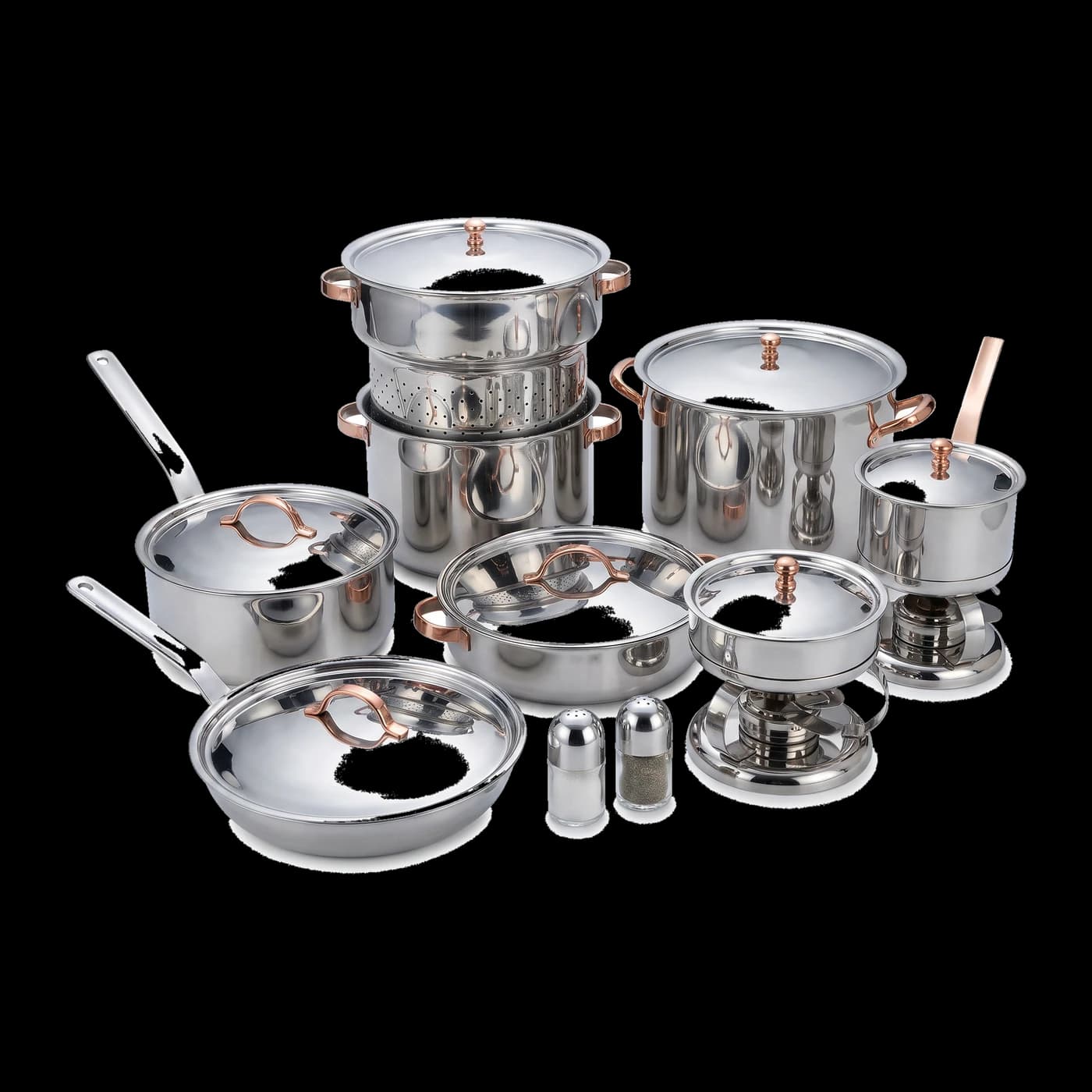
Specify 18/10 (grade 304) stainless steel in heavy gauge throughout. Our guide to stainless steel grades explains why lower grades fail in commercial service and how to verify what you are being quoted. A matched stainless steel kitchen set is usually the more economical route than assembling pieces individually, and gives you consistent sizing across the line.
3. Prep and Cold Side
- Stainless steel work tables — plan roughly one metre of usable bench per prep cook at peak, and never less than two tables even in a small kitchen.
- Reach-in and under-counter refrigeration positioned at the stations that use it, not all in one corner.
- Walk-in cold room or a large upright freezer, sized to your delivery frequency — twice-weekly deliveries need roughly double the storage of daily ones.
- Colour-coded cutting boards — separate boards for raw meat, seafood, cooked food and vegetables. Non-negotiable for food safety inspection.
- Knives, sharpening steel and a knife rack. Buy fewer, better knives and one proper sharpening setup.
- Mixing bowls, measuring jugs and a digital scale.
- Food processor, blender and dough mixer as the menu requires. Bread-heavy operations need a dedicated dough mixer, not a shared one.
4. Holding and Transport
The gap between food leaving the pan and reaching the guest is where quality is lost, and it is the stage new kitchens plan for last.
- Bain marie units for holding sauces, gravies and curries at safe temperature through service.
- Hot holding cabinet if you run banquets or have significant distance between kitchen and dining room.
- Insulated transport containers for outside catering or off-site events.
- Service trolleys for moving loaded pans safely — attempting this by hand is how staff get burned and product gets dropped.
5. Service and Front-of-House Equipment
Quantities here depend heavily on your service format. For à la carte, keep it lean. For buffet or banquet, this becomes a major line item.
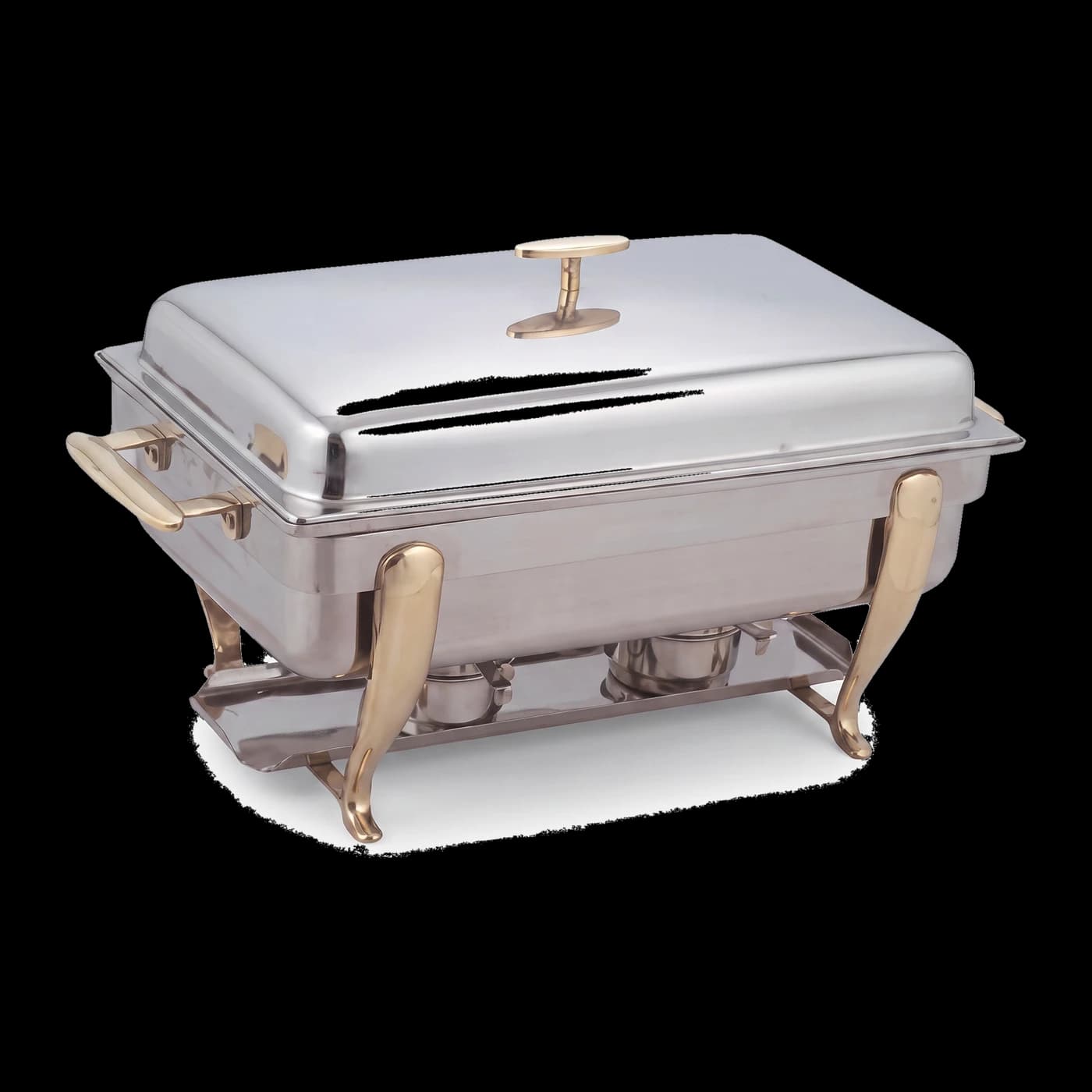
- Chafing dishes — the working rule is one chafer per hot dish on the buffet, plus 20–25% spares for rotation while pans are being refilled and washed. Our complete chafing dish guide covers types, lid styles and sizing.
- Soup tureens — one per soup on offer, plus one spare.
- Serving trays and platters in mixed sizes.
- Display and tiered stands for dessert, bread and fruit stations — height is what makes a buffet read as generous rather than flat.
- Serving utensils — one dedicated set per dish, never shared between dishes.
- Fuel holders and gel fuel or electric heating elements for your chafers, with reliable ongoing supply arranged before opening.
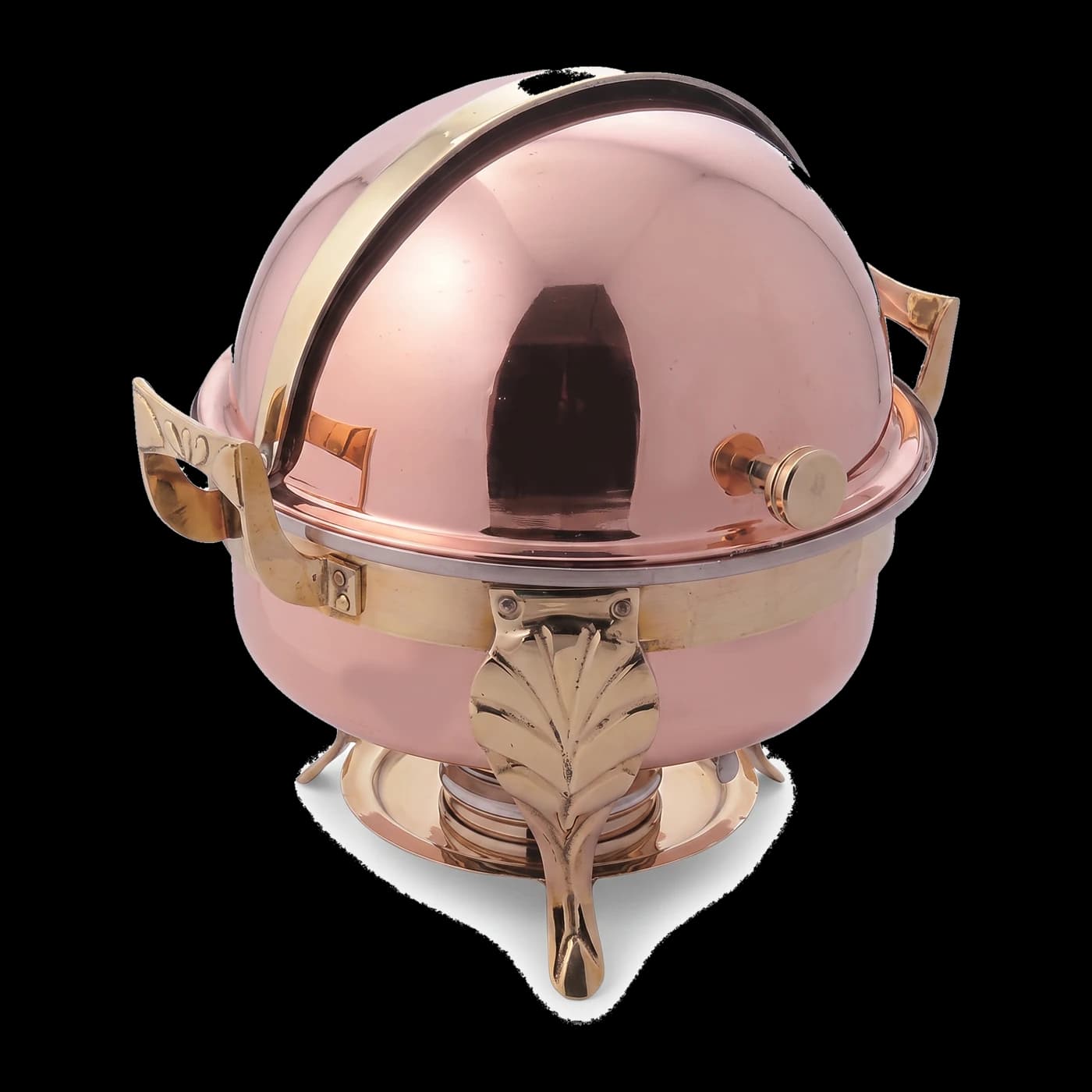
Copper serving pieces are worth considering for signature and live stations — they photograph well and signal a price point that stainless does not. Our copper versus stainless comparison covers where the extra cost pays for itself.
6. Warewashing and Sanitation
- Commercial dishwasher sized to your peak covers, plus a three-compartment sink for pot washing.
- Dedicated hand-wash basins at every station — required by food safety regulation in most jurisdictions, and inspected.
- Drying and storage racks with enough capacity that clean equipment is never stacked wet.
- Waste bins with foot-pedal lids and a separate area for waste oil.
- Grease trap on the kitchen drain line. Skipping this creates a plumbing failure that closes the kitchen at the worst possible time.
7. Safety and Compliance
- Fire extinguishers rated for cooking-oil fires, mounted within reach of every heat source.
- Fire blanket at the cooking line.
- First aid kit, stocked with burn dressings specifically.
- Anti-slip matting in wet zones — the most common kitchen injury is a slip, not a burn.
- Probe thermometers for temperature logging, and a written log kept from day one.
- Clearly posted emergency gas shut-off location.
Where to Spend and Where to Economise
| Spend On | Why |
|---|---|
| Extraction and ventilation | Almost impossible to upgrade after opening without closing the kitchen |
| Cookware grade and gauge | Used every service; cheap steel warps, pits and gets replaced within two years |
| Refrigeration capacity | Undersized cold storage forces daily deliveries and drives up food cost permanently |
| Knives and cutting boards | Directly affect prep speed and food safety compliance |
| Economise On | Why |
|---|---|
| Decorative front-of-house pieces | Add gradually once you know which stations actually draw guests |
| Single-purpose specialty appliances | Buy only after the menu has proven the demand for that item |
| Work tables and shelving | Basic stainless units perform the same job as premium ones |
| Excess crockery beyond peak covers | Sizing to peak plus a modest buffer is enough; breakage is replaced continuously anyway |
Five Mistakes That Cost Money in Month One
- Buying to the menu you have today. Menus change within the first six months of trading. Leave capacity headroom on the heat line.
- No spares in the rotation. One chafer per dish and zero spares means a dish comes off the buffet while its pan is being washed.
- Mixed sizing systems. Food pans that do not interchange between prep, holding and service create constant transfers, extra washing and lost heat.
- Ordering equipment before the kitchen layout is final. Measure doorways and lift dimensions before large items are dispatched — equipment that will not fit through the door is a genuinely common and expensive failure.
- Buying through several unrelated suppliers. Consolidating with fewer suppliers improves pricing, simplifies replacement of matching pieces years later, and gives you one point of contact when something fails.
Buying Direct from a Manufacturer
For the stainless and copper side of this list — cookware, holding and service equipment — sourcing directly from a manufacturer rather than a reseller usually means lower unit pricing at opening quantities, the option to specify custom sizes for an awkward kitchen footprint, and the ability to reorder identical matching pieces years later when you expand or replace. That last point matters more than most operators expect: buffet equipment bought as a set looks noticeably mismatched once it is topped up from a different source.
Lotus Metal Works has manufactured stainless steel and copper hotelware in Pakistan since 1951, supplying hotels, restaurants and catering companies from opening kit through to ongoing replacement.
Opening a new kitchen?
Send us your menu, expected covers and service format, and our team will build a costed equipment list with quantities — bulk pricing for opening orders.
Get in Touch